
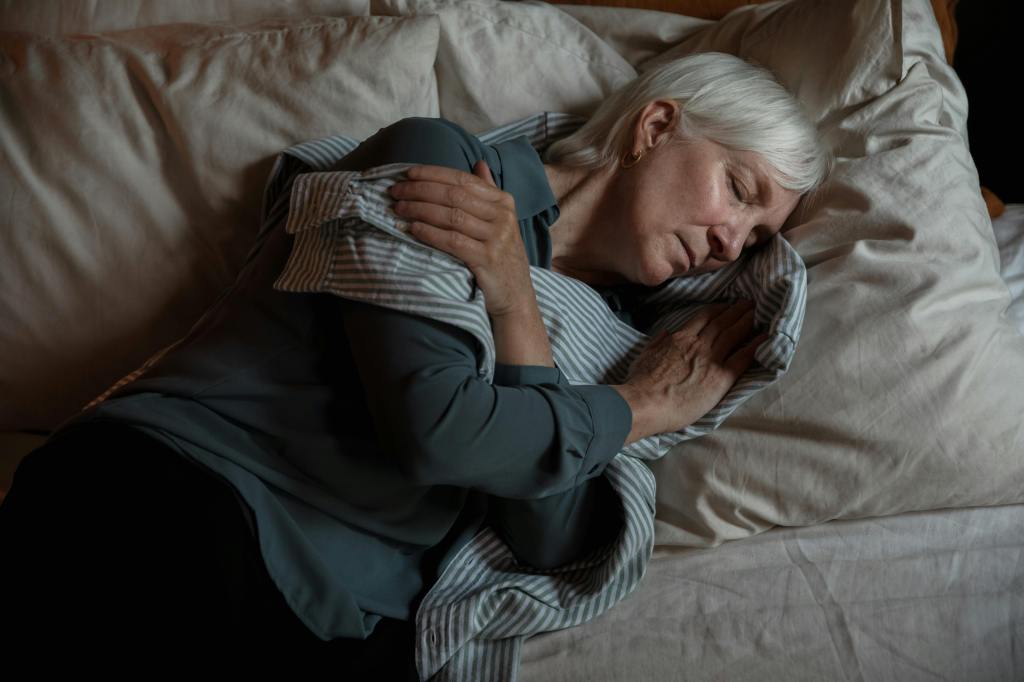
When someone is approaching the end of life, medical care often becomes the centre of attention.
Doctors adjust medications. Nurses monitor symptoms. Specialists guide treatment decisions. This care is essential. It relieves pain, manages symptoms and supports people through the physical realities of serious illness.
But when the appointment ends, and the professionals go home, something else remains.
The human experience of dying.
For many people and their families, this is where the real journey unfolds. It happens away from clinics and hospitals, in the quiet spaces of everyday life where the emotional, social and practical realities of dying become most visible. This is also the space where End-of-Life Doulas often work, walking alongside to support individuals and families through the personal and relational dimensions of the end-of-life journey.
The reality of dying at home
Most end-of-life care does not happen in hospitals. It happens in homes. In living rooms. In bedrooms. Around kitchen tables. It unfolds in the ordinary rhythms of daily life, often long before the final days or weeks.
Families suddenly find themselves navigating unfamiliar territory. They may notice changes that worry them. They may wonder whether what they are seeing is normal or whether they should call someone for help. They may struggle to find the right words to talk about what is happening, particularly when everyone is trying to protect each other from fear or distress.
Even simple questions can feel heavy when no one is quite sure where to turn.
At the same time, the health system can sometimes feel fragmented. Different professionals visit at different times. Appointments are often focused on clinical needs, and understandably so. The role of doctors, nurses and other health professionals is to manage illness, treat symptoms and support medical decision making.
Yet the lived experience of dying is broader than this.
It includes emotional conversations, practical planning, family dynamics, fears about the future and reflections about life. These experiences sit alongside medical care but are not always fully addressed within it.
As public health palliative care researcher Allan Kellehear has observed, much of what people need at the end of life sits outside the clinical space. These needs are social, emotional and relational, and they are often held within families and communities rather than within formal health services (Kellehear 2005; 2013).
“Dying is not only a medical experience. It is a deeply human one.”
The role of an End-of-Life Doula
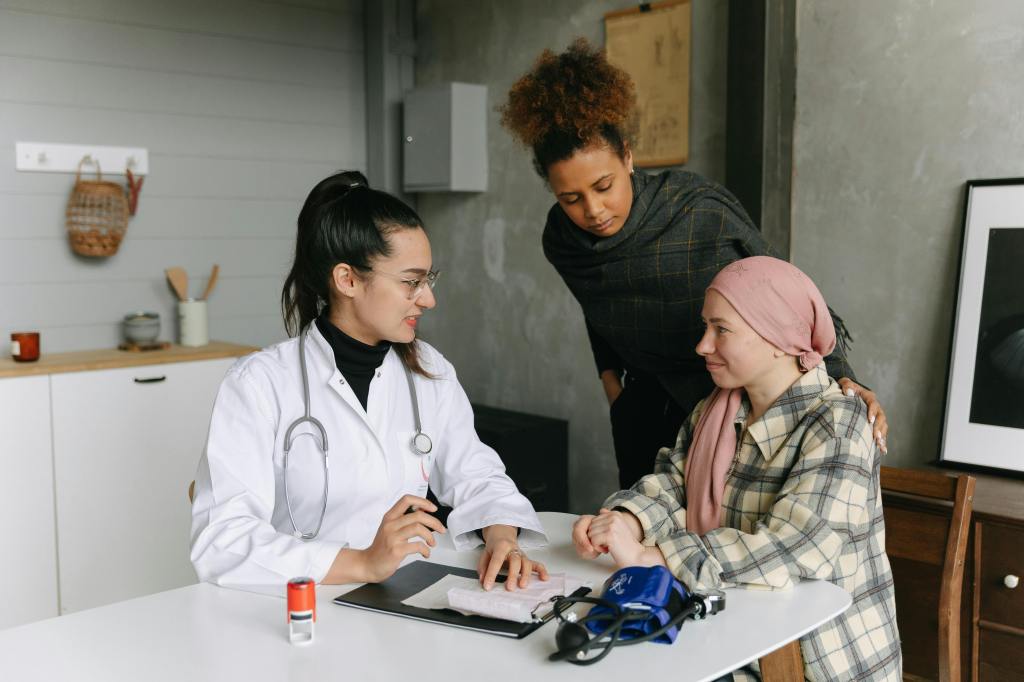
This is where the role of an End-of-Life Doula can make a meaningful difference.
End-of-Life Doulas work alongside existing health and care professionals, offering a different kind of support that focuses on the human side of dying. They do not replace doctors, nurses or other professionals. Instead, they complement the care that is already being provided by supporting individuals and families through the personal, emotional and practical realities that accompany serious illness, ageing and dying.
One of the unique aspects of this role is continuity of care.
An End-of-Life Doula may begin supporting someone early in their journey, sometimes from the point of diagnosis or during later stages of ageing when questions about the future begin to emerge. At this stage, support might focus on conversations about values, wishes and planning for the future. It may include advance care planning, exploring how someone hopes to live well in the time ahead, and helping families feel more prepared for what may come.
As illness progresses, the focus may gradually shift towards practical support and emotional presence. Families often appreciate having someone who understands the broader journey and who can remain alongside them as circumstances change.
This continuity can be particularly valuable when the health system naturally moves between different services and professionals. Whilst doctors and nurses provide essential clinical care, an End-of-Life Doula can remain a consistent presence, helping individuals and families make sense of what is happening and navigate the many decisions and emotions that arise.
The quiet work of support
Research in palliative care increasingly recognises the important role of families, friends and communities in supporting people at the end of life, alongside formal health services (Abel et al. 2013). End-of-Life Doulas often work within this broader circle of care, helping to strengthen the connections that support people through serious illness and dying.
The support offered in this space is often quiet and deeply human. It may involve sitting with someone who is frightened about what lies ahead, helping a family talk openly about what matters most, or supporting gentle conversations about unfinished business, forgiveness or legacy. Sometimes it means helping with practical preparations, offering reassurance about what to expect, or simply listening as stories and memories surface.
These moments may seem small, yet they often carry profound meaning for the people involved. When someone is present to offer calm guidance and companionship, families can feel more confident navigating the uncertainties of serious illness and the final stages of life.
Without that kind of support, many families find themselves facing these moments alone. A partner may be keeping watch through the night. An adult child may be trying to balance work, caregiving and their own emotions. Someone may be sitting beside the bed, wondering if what they are witnessing is normal or whether they should call for help. These deeply human moments rarely appear in medical charts, yet they form a significant part of the experience of dying.
Emerging research into End-of-Life Doula programs has also highlighted the value of continuity, emotional support and practical navigation for families alongside clinical care (Noel et al. 2024).
Support that continues after death
Importantly, the role of an End-of-Life Doula does not necessarily end with death.
The transition that follows can be a tender and disorienting time for families. In the hours and days after someone dies, families may still need guidance, reassurance and practical support. This can include helping them understand what happens next, supporting simple rituals or quiet moments of farewell, and gently guiding them through the early stages of grief.
In some cases, support may continue a little longer as families begin to adjust to life after loss. The focus naturally shifts from supporting the person who has died to supporting those who remain.
This continuity, before and after death, reflects an understanding that dying is not just a medical event. It is a human experience that unfolds over time and affects not only the person who is dying, but also the people who love them.
The modern health system provides extraordinary care and expertise. Yet there remains an important space alongside clinical care where emotional, social and practical support is equally needed.
End-of-Life Doulas work within this space.
They offer presence, guidance and continuity during one of life’s most significant transitions. They help individuals and families feel more supported as they navigate the journey of dying, and the period of grief that follows.
Because when the professionals go home, the experience of dying continues.
And in those quieter moments, what many people need most is not more treatment, but presence, understanding and connection.
About the Author
Shannon Beresford is the Director of Your Path Guide Pty Ltd, an Adelaide-based practice dedicated to helping people live and die with comfort, meaning and connection. His work brings together End-of-Life Doula care, sound therapy and compassionate travel experiences that honour each person’s story and choices.
As Chair of HELD Australia Ltd, the national peak body for holistic end-of-life and death-care practitioners, Shannon advocates for stronger recognition of the End-of-Life Doula role across Australia’s health and aged care systems. He also holds a Certificate IV in End-of-Life Doula Services, the only nationally accredited qualification in this field, and volunteers with the Central Adelaide Palliative Care Service (CAPCS), providing practical and emotional support to individuals and families in their final weeks of life.
References
Abel, J., Walter, T., Carey, L. et al. (2013). Circles of care: Should community development redefine the practice of palliative care? BMJ Supportive & Palliative Care.
Kellehear, A. (2005). Compassionate Cities: Public Health and End-of-Life Care. Routledge.
Kellehear, A. (2013). Compassionate Communities: End-of-Life Care as Everyone’s Responsibility. QUT Press.
Noel, M. et al. (2024). Evaluation of the End-of-Life Doula Pilot Programme in Leeds. University of Leeds.
World Health Organization. (2020). Palliative care. https://www.who.int/news-room/fact-sheets/detail/palliative-care
 Your Path Guide Pty Ltd