
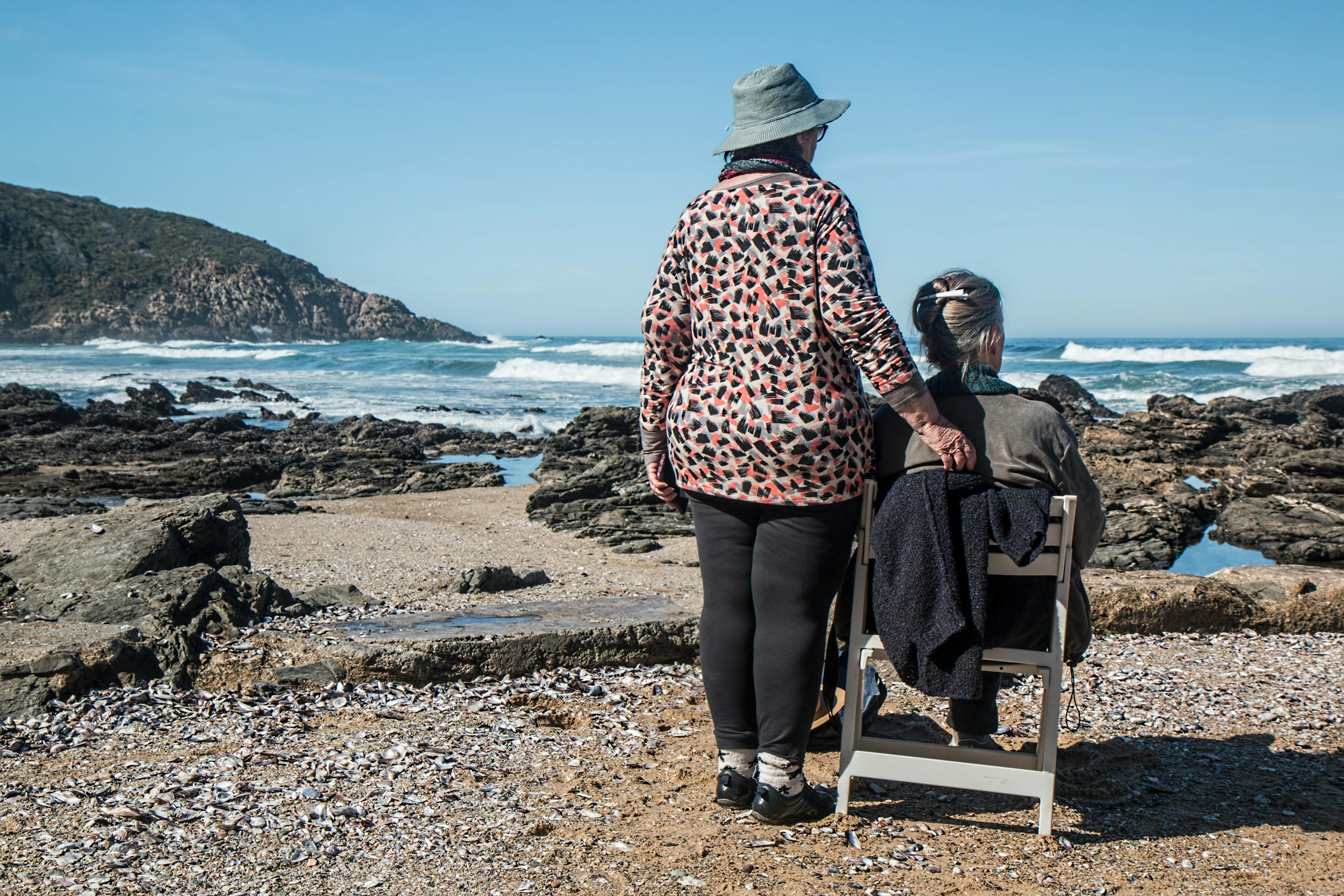
An End of Life Doula (EOLD) is a non-medical professional who provides holistic support – emotional, spiritual, and practical – to individuals facing terminal illness, those planning for death, and their loved ones. Working alongside a person’s clinical support team, Doulas focus on companionship, comfort, and guidance throughout the dying process, from diagnosis through to after death, including early grief support for families14. Their work can include helping people explore the meaning of their lives, plan for their final days, create legacy projects, and advocate for the fulfilment of their end-of-life wishes14. EOLDs can be present during the final hours, offering emotional support, respite for caregivers, and assistance in understanding the dying process1.
The History of End of Life Doulas in Australia
While the concept of laypeople supporting the dying has deep roots in many cultures, the formal role of the EOLD is relatively new in Australia. The term “Doula” is ancient – it originates from the ancient Greek and, in a modern-day context, means “to be of service.” The use of the term in the end of life care setting originated in the early 2000s in the United States but quickly gained traction in countries such as Australia, Canada, and the UK2. In Australia, the EOLD movement has grown rapidly over the past decade, with increasing numbers of practitioners, training programs, and public awareness23.
The EOLD landscape in Australia has advanced significantly in recent years, reflecting a shift toward more excellent professionalism and recognition within the sector. Australia now has a peak governing body, Holistic End of Life and Death Care Australia Inc. (HELD), which provides a robust framework for practice through its code of conduct, standards and ethics that all members are required to follow. This timely development heralds a significant milestone in ensuring quality, accountability, and consistency across the profession.
Australia is also leading the world as the first country to offer a nationally accredited qualification for End of Life Doulas: the 10966NAT Certificate IV in End of Life Doula Services. This comprehensive course gives practitioners the essential skills and knowledge to provide holistic, compassionate care in various settings, including home, hospitals, palliative care, and aged care facilities6810.
The Certificate IV formalises role of the EOLD. It also helps raise the credibility and profile of the profession and paves the way for Doulas to be formally recognised and become vital contributors within our health and aged care systems.
It’s wonderful to see these advancements in the end of life care landscape. Australia is setting high standards for end-of-life care, and EOLDs want to partner with Multidisciplinary teams to ensure that individuals and families have access to skilled, ethical, and well-trained support at one of life’s most critical moments.
Filling Important Gaps in the Current System
Australia’s aged care and health systems are often stretched, with a strong focus on clinical and medical needs. This can leave significant gaps in:
- Emotional and Spiritual Support: Medical staff are often unable to provide the ongoing emotional presence and spiritual care that many people want at the end of life. Doulas offer continuous companionship, helping reduce feelings of isolation and fear134.
- Personalised, Non-Clinical Care: Doulas can spend extended time with clients, supporting their unique wishes and helping to create a meaningful dignified dying experience – something that is often not possible in busy hospitals or aged care facilities3.
- Continuity of Care: From an EOLD perspective, continuity of care means being a consistent and familiar presence throughout all stages of the end of life journey – offering support from initial diagnosis through active dying and into early bereavement. Through providing this seamless support, we know that individuals and families do not feel abandoned during transitions between care settings or when clinical teams withdraw, providing reassurance and stability at every step567.
- Advocacy and Navigation: Families can feel overwhelmed by the complexity of the health system and end of life decisions. Doulas help navigate options, advocate for the person’s wishes, and ensure continuity of care when medical professionals step back after treatment ends34.
- Support for Families: Doulas provide practical and emotional support to families before, during, and after death, helping them cope with grief and the logistics of after-death care14.
- Community Reconnection: The Doula role represents a return to community-based care, empowering families to reclaim some of the traditional roles around dying and death and helping to break down the taboo around discussing death in Australian society3.
The Future of End of Life Doulas in Australia

The future of EOLDs in Australia is marked by increasing professionalism, formal recognition, and integration within the broader health and aged care sectors. With the establishment of Holistic End of Life and Death Care Australia Inc (HELD) as the peak governing body, EOLDs now operate within a clear ethical and professional framework, adhering to a national code of conduct and standards that ensure quality and accountability across the profession.
Australia’s pioneering move to introduce the world’s first nationally accredited qualification – the 10966NAT Certificate IV in End of Life Doula Services – has set a new benchmark for training and competency in the field1. This formal qualification, alongside a range of accredited skill sets and professional development opportunities, provides EOLDs with the knowledge and expertise needed to deliver holistic, person-centred care in diverse settings, from private homes to hospitals and aged care facilities1.
Collaboration between EOLDs and palliative care and other health services is also strengthening, with new resources and guidelines developed by peak palliative care bodies and universities to support effective partnerships and best outcomes for those at the end of life6. As awareness grows and more professionals enter the field through accredited pathways, EOLDs are increasingly recognised as vital contributors, bridging gaps in emotional, spiritual, and practical support that the current health system cannot always address.
Now that formal training and recognised qualifications are available, EOLDs are becoming a valued part of Australia’s end of life care. They offer practical, compassionate, and ethical support that helps meet the emotional and personal needs often missed by traditional services. As more people learn about their role, doulas are helping to make sure no one has to face death without care or connection. Their presence is becoming an important part of how we support dying and death in this country.
Note: Your Path Guide is an Adelaide-based practice founded and owned by Shannon Beresford, an End of Life Doula and Sound Therapy Practitioner. Shannon supports individuals and families through life’s most tender transitions – offering compassionate guidance with end of life planning, legacy work, grief support, and meaningful final journeys. With a calm and grounded approach, Shannon provides practical and emotional care tailored to each person’s unique path.
To find out more or connect with Shannon, visit www.yourpathguide.com.au

 Your Path Guide Pty Ltd
One thought on “Understanding End of Life Doulas in Australia”